

Excavator Sales in Australia: Industry Analysis & What Buyers Should Expect
In Australia’s dynamic construction landscape, excavators remain a core part of every major civil project, infrastructure build and large-scale earthmoving operation. But today’s buyers aren’t looking for just any machine - they’re looking for value, predictability and confidence in their purchasing decisions.
Understanding where excavator sales currently stand, the forces shaping demand and what to expect up ahead isn’t just useful - it’s good strategy. For procurement teams, site supervisors and fleet managers, this insight can be the edge that sharpens your decisions on timing, specification and supplier choice.
1. Where Excavator Sales Are at Right Now
Australia’s construction machinery market continues to grow - and excavators are at the centre of that growth.
Earthmoving equipment, led by excavators, made up the largest share of construction equipment sales in 2023, supported by public and private infrastructure investment, housing developments, and civil contracts.
Market research forecasts continued growth in the construction equipment space, with the broader sector expected to reach more than 33,000 units by 2029, expanding at roughly 4.6% annual growth over the mid-term.
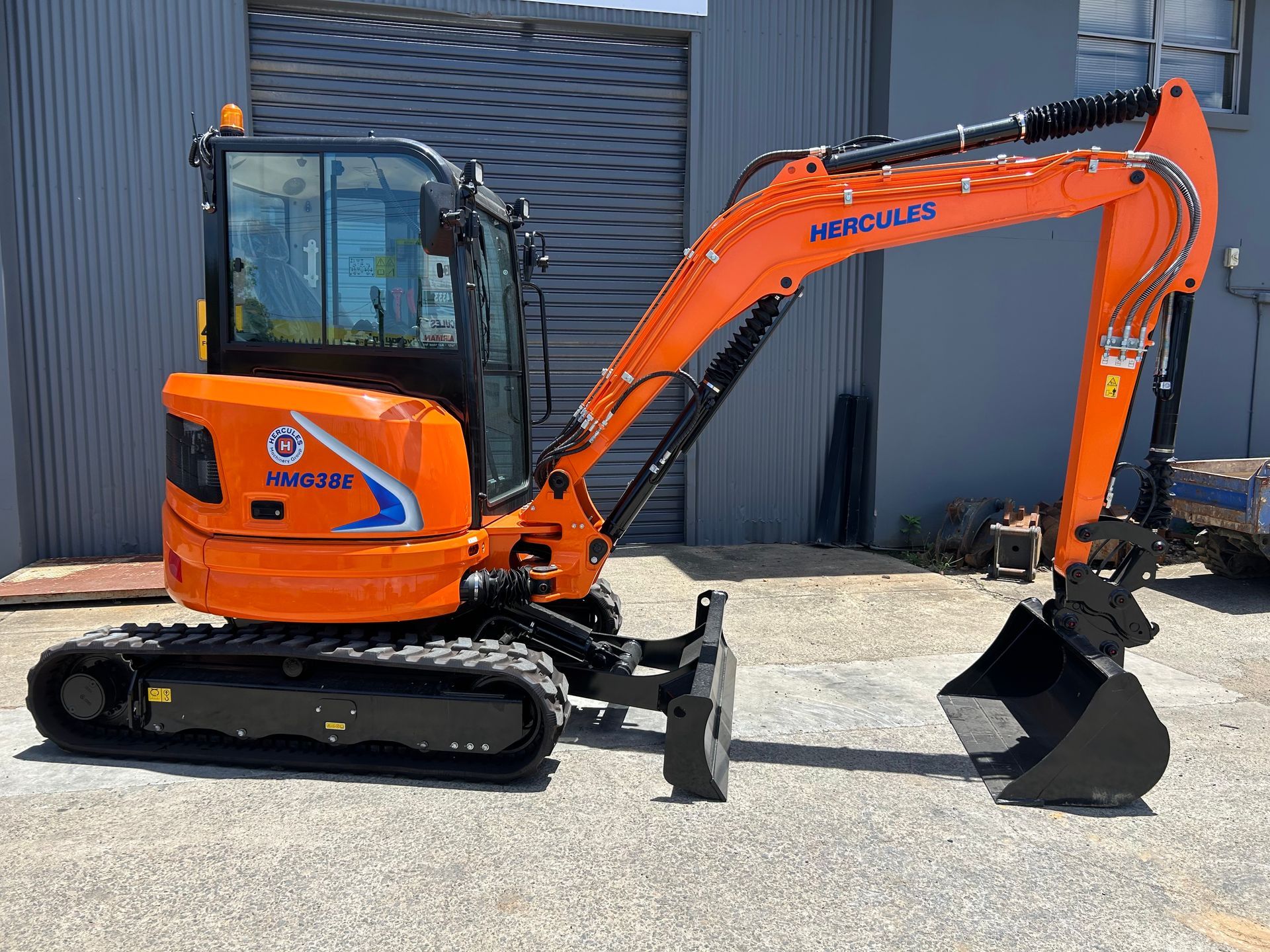
On the brand front, heavy excavator sales in Australia remain active and competitive, with consistent demand driven by infrastructure, civil works, land development and maintenance projects nationwide. Within this landscape, Hercules Machinery Group has positioned itself as a practical, solutions-focused supplier, offering excavators selected especially for Australian conditions and supported by strong attachment compatibility and local support.
For buyers, this market backdrop means:
- Sustained baseline demand for excavators, particularly in mid-to-heavy duty categories
- Healthy competition among suppliers, creating more transparent pricing and configuration options
- Greater choice in machine sizes, setups and attachment-ready packages, rather than one-size-fits-all solutions
These conditions favour buyers who understand their operating requirements, value availability and support, and are ready to act when the right machine becomes available.
2. Key Trends Shaping Excavator Sales
Several underlying forces are influencing excavator sales in Australia today and are shaping what buyers should expect when considering their purchase.
a) Infrastructure and Construction Activity Still Drive Demand
Australia’s ongoing pipeline of infrastructure and residential work continues to require robust fleets of earthmoving equipment. Growth predictions in construction across public and private sectors underpin a steady need for excavators as backbone machines on site.
b) Buyers Are Becoming More Specification-Savvy
Rather than buying “off-the-shelf,” many buyers now take a more analytic approach to purchasing by:
- Matching
operating weight and machine class to their specific job types
- Spec’ing attachments for multi-purpose utility across projects
- Looking beyond sticker price to overall
lifecycle costs
This trend is especially strong among repeat purchasers, fleet owners and project managers - the exact groups that Hercules Machinery Group work with most often.
c) Used Equipment Is Playing a Strategic Role
The second-hand excavator market in Australia remains strong in 2025. Buyers are increasingly considering used excavators with low hours as cost-effective alternatives for their projects without compromising on quality. Values are now rising for well-maintained units.
For hire customers and owner-operators alike, this trend means more flexibility in budgeting and fleet expansion without the need to commit to new machines before they’re needed.
d) Market Innovation and Electrification Are Emerging Influencers
Sustainability isn’t a futuristic concept - it’s already playing a big role in machine development. Demand for electric and hybrid construction equipment — including excavators — is growing both globally and in Australia, driven by operational efficiency and regulatory expectations.
While diesel machines will remain dominant over the next few years, buyers should be aware that machine choice is increasingly influenced by fuel efficiency, long-term operational performance and evolving emissions compliance requirements.
3. What Buyers Will Care About Most in the Next 12–24 Months
Based on current trends and demand signals, the following points will be a top priority to serious buyers of excavators in Australia:
Total Cost of Ownership Is No Longer Optional
Price alone isn’t enough. Buyers are weighing up:
- Resale value
- Parts availability
- Service and support
- Fuel efficiency
This shift favors suppliers who can back machines with strong after-sales support.
Machine Adaptability Matters
Across civil, landscaping, infrastructure and mining support work, excavators that can handle multiple applications — whether it be trenching, bulk earthworks or specialised attachment use — are increasingly chosen for their flexibility in an ever-evolving project sphere.
Availability and Lead Times Are Still a Consideration
While global supply chain pressures had been easing as compared to recent years, we continue to see
impacts from the global industry. Smart buyers continue to prioritise suppliers with
local stock, parts availability, and predictable delivery, maximising uptime and production efficiency, especially when purchasing larger or specialised excavators.
4. What This Means for Excavator Sales in Australia
Laying the bricks down:
- Excavator demand remains
solid and growth-oriented
- Buyers are
more informed and selective
- Value is increasingly measured in
support and uptime, not just purchase price
- Used equipment and mid-life machines are becoming strategic assets
If your organisation is planning a large project, fleet refresh or long-term investment, this environment rewards
early planning, clear specification, and engagement with
trusted suppliers.
5. How to Buy (or Hire) Smart in an Ever-Changing Market
Whether you’re buying new machines outright or considering hire for project work, these principles help deliver better outcomes:
- Start procurement early — avoid last-minute decisions under pressure
- Match machine class to application — think in terms of productivity, not just size
- Consider resale value — some excavators hold value better than others
- Ask about parts,
service and support up front — this matters more than you think
Use
hire strategically when project duration or machine role is uncertain
Talk to a Specialist
Excavator sales in Australia are not just about today’s price — they’re about informed buying decisions that deliver reliability, uptime and long-term value to your business.
Whether you’re planning a fleet upgrade, comparing new vs used machines or considering hire for a specific project, the team at Hercules Machinery Group can provide guidance aligned to your needs.
What Buyers Ask Us Most
What excavator size is best for my project?
It depends on job scope. Smaller machines excel in tight access and light earthworks; mid-size and heavy machines are preferred for bulk earthmoving and infrastructure work.
Is it better to buy new or used?
Both have merit. New machines offer more extensive warranties and predictability; used machines can deliver value and reduce upfront cost, especially if they’re low-hour, well maintained, and warranty availability is often limited.
How important is after-sales support?
Extremely. Parts availability, service access and support networks can significantly reduce downtime and lifecycle costs.
Should I consider hybrid or electric excavators?
Trends toward electric and hybrid machines are increasing as industry and regulation evolve. While diesel remains dominant, sustainability and operational efficiency are becoming differentiators.
What leads machine resale value?
Brand reputation, maintenance history, hours and specification all influence resale. Machines with strong parts support and service history typically hold value better.
Is hire a smart alternative to buying?
Absolutely. Hire can be ideal when:
- Project duration is uncertain
- Budget limitations need to be preserved
- You need specific machine capability only temporarily
It allows service flexibility without locking capital into ownership.